
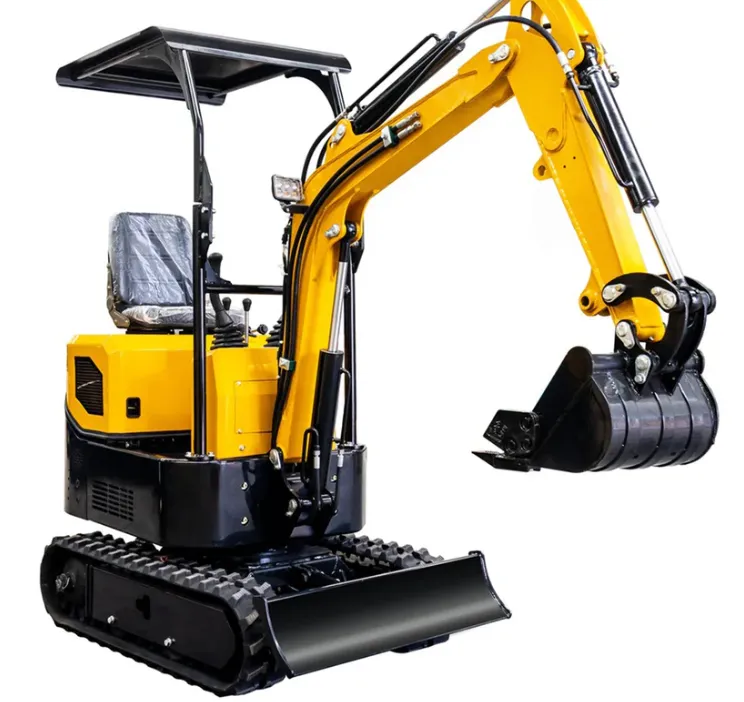
A 1 ton excavator is a smart choice for homeowners, landscapers, farmers, and small contractors who need strong digging power in tight spaces. Unlike large machines, this compact equipment can move through narrow paths, work in backyards, and handle jobs where full-size excavators are too heavy or expensive. Whether you are digging trenches, removing small stumps, preparing garden areas, or completing light construction work, a compact machine can save time and labor. Many buyers also search for a 1 ton mini excavator because it offers the right balance of affordability, mobility, and performance. Before choosing a model, it is important to understand its uses, benefits, attachments, engine options, and buying factors.
What Is a 1 Ton Excavator?
A 1 ton excavator is a compact digging machine designed for small to medium-duty jobs. It usually includes rubber tracks, a hydraulic arm, a bucket, and a compact body that can rotate for flexible digging. Because of its small size, it is often used in areas where larger machines cannot enter.
This type of equipment is commonly used for:
- Backyard digging
- Garden and landscaping work
- Small trenching jobs
- Light demolition
- Drainage projects
- Fence post preparation
- Farm and property maintenance
- Utility line work
For many small project owners, a 1 ton mini excavator is easier to transport, store, and operate compared with heavier construction equipment.
Why Choose a 1 Ton Mini Excavator?
A 1 ton mini excavator is popular because it gives users practical digging power without requiring a large trailer, big storage area, or high operating cost. It is especially useful for residential and light commercial work.
Here are the main benefits:
Compact Size
The small frame allows the machine to work in narrow spaces such as backyards, small farms, gardens, sidewalks, and residential job sites. This makes it suitable for projects where access is limited.
Lower Operating Cost
Compared with larger excavators, a compact model usually costs less to fuel, transport, and maintain. This is helpful for small businesses and property owners who want long-term value.
Easy Transportation
Many compact excavators can be moved with a suitable trailer, making them convenient for contractors who work at different locations.
User-Friendly Operation
Most machines are designed with simple controls, making them easier for new operators to learn. However, users should still read the manual and follow all safety instructions.
Versatile Attachment Options
With the right attachments, a compact excavator can do more than dig. Buckets, breakers, rippers, augers, and thumb clips can expand the machine’s use for different projects.
Common Uses of a 1 Ton Excavator
A 1 ton excavator can handle many everyday digging and land improvement tasks. It may be small, but it can still perform efficiently when used for the right type of work.
Landscaping Projects
Landscapers use compact excavators for soil removal, garden shaping, pond digging, small retaining wall preparation, and tree planting. The machine can reduce manual labor and improve project speed.
Trenching and Drainage
This machine is useful for digging narrow trenches for drainage pipes, irrigation lines, cable lines, and small utility projects. Its compact body helps operators work close to buildings, fences, and tight corners.
Small Demolition Work
With suitable attachments, a compact excavator can help remove small concrete sections, old sheds, light structures, and damaged outdoor features.
Farm and Property Maintenance
Farmers and property owners use these machines for ditch cleaning, fence line work, land leveling, and small digging tasks around barns, gardens, and driveways.
What to Look for Before Buying
If you are searching for a 1 ton excavator for sale, compare more than just the price. The right machine should match your project type, working area, and long-term needs.
Important factors include:
- Engine power: Check horsepower and fuel type.
- Digging depth: Make sure the machine can dig deep enough for your projects.
- Operating weight: Confirm that your trailer and work area can support the machine.
- Track type: Rubber tracks are better for lawns and finished surfaces.
- Hydraulic system: Strong hydraulics improve digging and attachment performance.
- Attachment compatibility: Choose a model that supports buckets, thumbs, breakers, and other tools.
- Warranty and support: Reliable after-sales support can reduce downtime.
- Parts availability: Easy access to parts helps with long-term maintenance.
A low price may look attractive, but durability, support, and performance matter more over time.
New vs. Used 1 Ton Excavator for Sale
Buyers often compare new and used machines before making a decision. Both options can work well depending on your budget and project needs.
A new 1 ton excavator for sale may offer better warranty coverage, updated features, cleaner components, and fewer maintenance concerns. It is a good choice for users who want reliability and long-term ownership.
A used machine may cost less at first, but it should be inspected carefully. Check the engine, hydraulic hoses, pins, tracks, bucket condition, control response, leaks, and service history. If repairs are needed soon after purchase, the final cost may become higher than expected.
For business use, a new machine can often be the safer investment because downtime can affect customer jobs and income.
Attachments That Add More Value
Attachments are one of the biggest advantages of owning a 1 ton mini excavator. The right tools can turn one machine into a multi-purpose work solution.
Common attachments include:
- Standard bucket: Best for digging and soil removal.
- Narrow bucket: Useful for trenching.
- Ripper: Helps break hard ground or roots.
- Hydraulic thumb: Makes it easier to grab rocks, logs, and debris.
- Auger: Useful for drilling holes for posts or planting.
- Breaker: Helps with small concrete breaking tasks.
- Quick coupler: Makes attachment changes faster.
Before buying attachments, confirm they are compatible with your machine’s hydraulic flow, weight class, and mounting system.
Safety Tips for Operating a Compact Excavator
Even though the machine is small, safety is still very important. Operators should understand the controls, work area, and machine limits before starting.
Follow these safety tips:
- Read the operator manual before use.
- Inspect the machine before every job.
- Check hydraulic hoses, tracks, fuel, and oil levels.
- Keep people away from the working area.
- Avoid working on unstable or steep ground.
- Do not exceed the machine’s lifting capacity.
- Always lower the bucket before shutting off the machine.
- Wear proper safety gear when operating.
Safe operation protects the machine, the operator, and everyone around the job site.
Is a 1 Ton Excavator Right for You?
A 1 ton excavator is ideal if your work involves tight spaces, small digging tasks, light construction, landscaping, or property maintenance. It may not be the best choice for heavy commercial excavation, deep foundation work, or large demolition jobs. However, for small projects, it can be a powerful and cost-effective solution.
If your work requires regular digging and you want to reduce manual labor, owning a 1 ton mini excavator can be more practical than renting equipment again and again. It gives you control over your schedule and allows you to complete tasks whenever needed.
FAQ
1. What can a 1 ton excavator be used for?
A 1 ton excavator can be used for landscaping, trenching, drainage work, garden digging, small demolition, fence post preparation, and property maintenance.
2. Is a 1 ton mini excavator good for homeowners?
Yes. A 1 ton mini excavator is a good option for homeowners with regular outdoor projects, especially if they need to dig, level soil, remove small stumps, or improve drainage.
3. Should I buy or rent a compact excavator?
Renting may be better for one-time projects. Buying is usually better if you have ongoing work, multiple properties, or a small business that needs regular digging equipment.
4. What should I check when looking for a 1 ton excavator for sale?
Check engine power, digging depth, hydraulic performance, tracks, attachments, warranty, parts availability, and after-sales support before choosing a machine.
5. Can a compact excavator break concrete?
Yes, but it needs the right breaker attachment. Always confirm that the attachment is compatible with the machine before use.
Conclusion
A 1 ton excavator is a practical machine for anyone who needs compact power for small digging, landscaping, trenching, and property maintenance jobs. Its small size makes it easy to use in tight areas, while its hydraulic system provides enough strength for many everyday projects. When comparing options, look beyond the price and consider engine quality, digging capacity, attachments, warranty, and long-term support. A 1 ton mini excavator can be a strong investment for homeowners, landscapers, farmers, and small contractors who want to save time and reduce labor. If you are searching for a 1 ton excavator for sale, choose a model that matches your work needs and offers reliable performance for years to come.
