
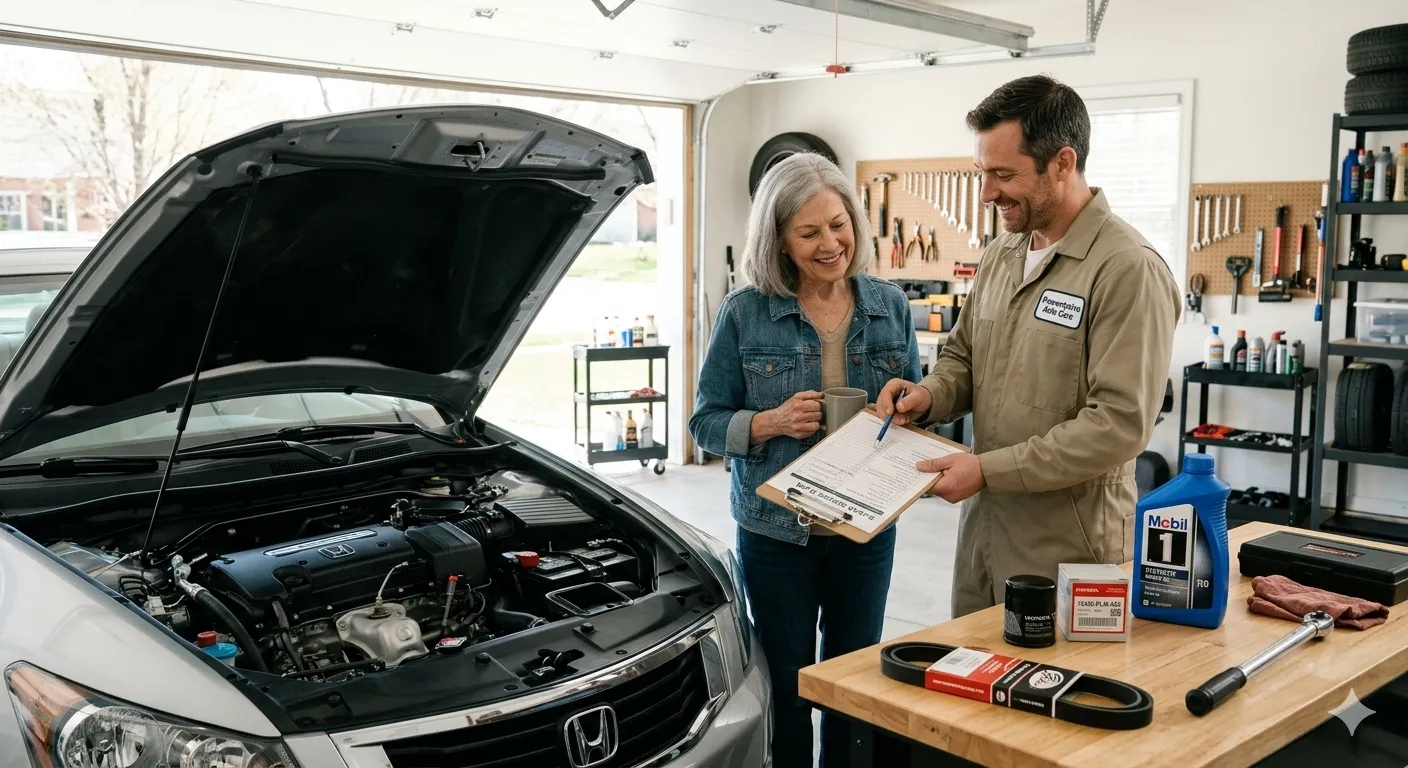
An older car does not need to look showroom fresh to remain useful. It needs attention directed toward the systems most likely to affect safety, reliability, and ownership cost. Choosing automotive parts and accessories should therefore follow an inspection plan rather than a wish list. A sensible approach begins with the vehicle’s condition, how far it travels, and the type of driving it faces. This helps owners decide whether to tackle worn components now, monitor them, or postpone cosmetic upgrades.
Assess the Car You Actually Have
Start with a comprehensive condition review, not assumptions based only on age or mileage. Look for fluid leaks, uneven tire wear, rust around critical areas, degraded rubber, and maintenance that has been deferred. Ask a qualified technician to inspect unfamiliar noises or braking changes. A car driven mainly on short urban trips develops different stresses from one used for highway commuting. The first goal is to establish a realistic baseline before allocating money to particular repairs. A condition assessment reveals which age-related repairs deserve priority.
Put Safety Systems First
Brakes, tires, steering, suspension, and lighting deserve priority when a limited budget must be divided. Uneven braking, poor grip, or loose steering can affect control long before an engine problem stops the car entirely. Verify the cause of symptoms rather than replacing random components. Pay attention to recalls and manufacturer service guidance. Cosmetic improvements may be satisfying, but a reliable stopping distance and predictable handling offer more practical value for everyday driving. Dependable braking and predictable handling should outrank cosmetic improvements.
Address Cooling and Charging Weaknesses
Age can expose hoses, belts, electrical grounds, and other small items to heat and vibration. A cooling system that struggles in traffic or a charging system that behaves inconsistently should be inspected before a long trip. Tests can distinguish a failing component from an ordinary maintenance issue. Replace fluids and related seals according to appropriate service procedures. Preventive attention to these supporting systems can reduce the risk of being stranded by a problem that developed gradually. That detail deserves another check.
Use Service Intervals With Judgment
A maintenance schedule is a starting point, not a complete description of an older vehicle. Previous neglect, severe operating conditions, and unknown repairs may change what deserves attention first. Review records for belts, filters, fluids, and ignition components. Ask whether a recommended service is due by distance, time, or visible condition. Never extend a critical service interval simply because the vehicle still runs. Documenting each completed task makes the next decision more confident. Service records keep maintenance spending grounded in actual wear.
Do Not Ignore Small Comfort Problems
Worn wiper blades, weak cabin ventilation, damaged door seals, and poor lighting can make a mechanically sound car unpleasant to use. Some comfort problems can affect visibility or concentration. Decide which fixes improve everyday safety and usability, then compare suitable components for the vehicle. Avoid turning minor defects into a costly restoration project without considering the car’s overall condition. Small targeted improvements may offer more daily benefit than a large cosmetic overhaul. Addressing comfort issues early makes an aging car easier to live with.
Budget for Uncertainty
Older vehicles need a reserve for unexpected findings. A routine repair may reveal corroded fasteners or a worn adjacent part. Set a budget that separates essential maintenance, likely upcoming repairs, and optional appearance upgrades. If estimates become disproportionate to the car’s condition and replacement value, reassess the plan honestly. Emotional attachment is understandable, but it should not hide recurring safety concerns. Written estimates help owners compare the value of keeping the car. Repair estimates should be weighed against the car’s overall condition.
Recheck After Every Major Repair
Installation is not always the end of a job. Brake work may require bedding procedures, suspension work may require alignment, and cooling work may require leak checks. Follow vehicle-specific guidance and confirm that the original symptom has changed as expected. Record the date and mileage alongside the part details. A periodic follow-up inspection can catch an unrelated issue that became visible during the repair. This habit supports a more realistic long-term plan. The maintenance budget also needs room for unexpected age-related failures.
Conclusion
Keeping an aging car dependable is a process of choosing priorities carefully. Begin with a documented inspection, address safety problems, maintain supporting systems, and reserve money for surprises. Useful improvements should reflect actual driving needs rather than trends or appearance alone. TeamVehicle may help owners explore suitable components once a repair has been confirmed. With honest budgeting and regular rechecks, an older vehicle can remain practical without becoming an endless collection of unplanned purchases. Follow-up inspections show whether major work produced lasting improvement.
