
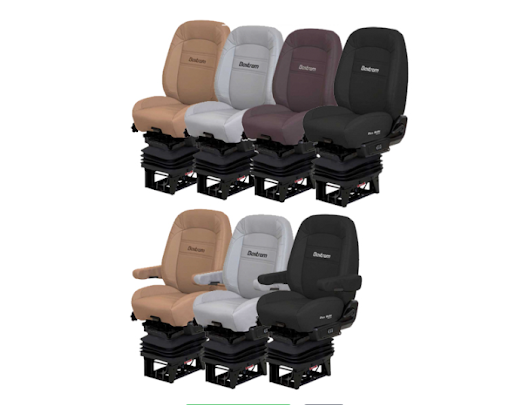
For the long-haul trucker, the driver’s seat is more than just a place to sit; it is the primary interface between the human body and a machine that weighs eighty thousand pounds. When an operator spends eleven hours a day navigating highways, the physical environment of the cab becomes a deciding factor in their overall health and operational safety. While much attention is paid to engine performance and braking systems, the ergonomics of the seating is often the most vital component of a driver’s success. Ergonomic bostrom semi truck seats are not a luxury but a fundamental tool designed to mitigate fatigue, prevent chronic injury, and ensure that the person behind the wheel remains sharp and responsive.
The Physical Toll of the Long Haul
Sitting in a static position for extended periods is inherently unnatural for the human body. For truck drivers, this challenge is compounded by the constant vibration of the road and the engine. Without proper support, the spine is subjected to thousands of micro-shocks every hour, leading to a condition often referred to as whole-body vibration. This can result in the compression of spinal discs, lower back pain, and reduced blood flow to the lower extremities.
Standard seats often lack the necessary lumbar support to maintain the natural curve of the spine. When a driver begins to slouch to compensate for discomfort, their muscles must work harder to keep the head and torso upright. This leads to muscle tension in the neck and shoulders, which can eventually manifest as tension headaches or reduced range of motion. By providing adjustable lumbar support and contouring that mirrors the human anatomy, ergonomic seats allow the musculoskeletal system to remain in a neutral, relaxed state, significantly reducing the risk of long-term disability.
Fatigue Mitigation and Cognitive Alertness
The link between physical comfort and mental alertness is direct and undeniable. When a driver is in pain, their brain is constantly processing signals of discomfort, which siphons away the cognitive resources needed for safe driving. A driver who is fidgeting to find a comfortable position is a driver whose eyes may not be fully on the road or whose reaction time to an unfolding emergency might be delayed.
Ergonomic seats often feature advanced suspension systems, such as air-ride technology, which isolate the driver from the harshness of the road. By dampening vibrations and allowing for micro-adjustments in height, tilt, and depth, these seats ensure that the driver remains physically fresh. A well-supported driver experiences less physical exhaustion at the end of a shift, which translates to higher levels of vigilance throughout the day. In an industry where a split-second decision can prevent a catastrophe, the mental clarity provided by a comfortable seat is an essential safety feature.
Promoting Long-Term Career Sustainability
The trucking industry faces significant challenges with driver retention, and health issues are a leading cause of early retirement for many veterans. Chronic back pain and circulatory problems can end a career prematurely, leading to a loss of experienced professionals on the road. Investing in high-quality ergonomic seating is a proactive measure that protects the human capital of a fleet.
Beyond the immediate safety benefits, ergonomic seating promotes better circulation. Many modern seats incorporate “active” cooling and heating, as well as thigh support that prevents the edge of the seat from cutting off blood flow to the legs. This reduces the risk of deep vein thrombosis and other vascular issues common in sedentary professions. When drivers feel that their physical well-being is prioritized, they are more likely to stay in the profession longer and maintain a higher standard of safety.
Conclusion
The importance of ergonomic semi truck seats cannot be overstated. They are the first line of defense against the physical degradation caused by the rigors of the road. By addressing the needs of the spine, reducing the impact of vibration, and supporting cognitive focus, these seats transform the cab into a safer and more sustainable workplace. For the individual driver, it means a life with less pain; for the industry, it means a more reliable and safer workforce. Ultimately, the road to safety begins with the support provided beneath the driver.
