
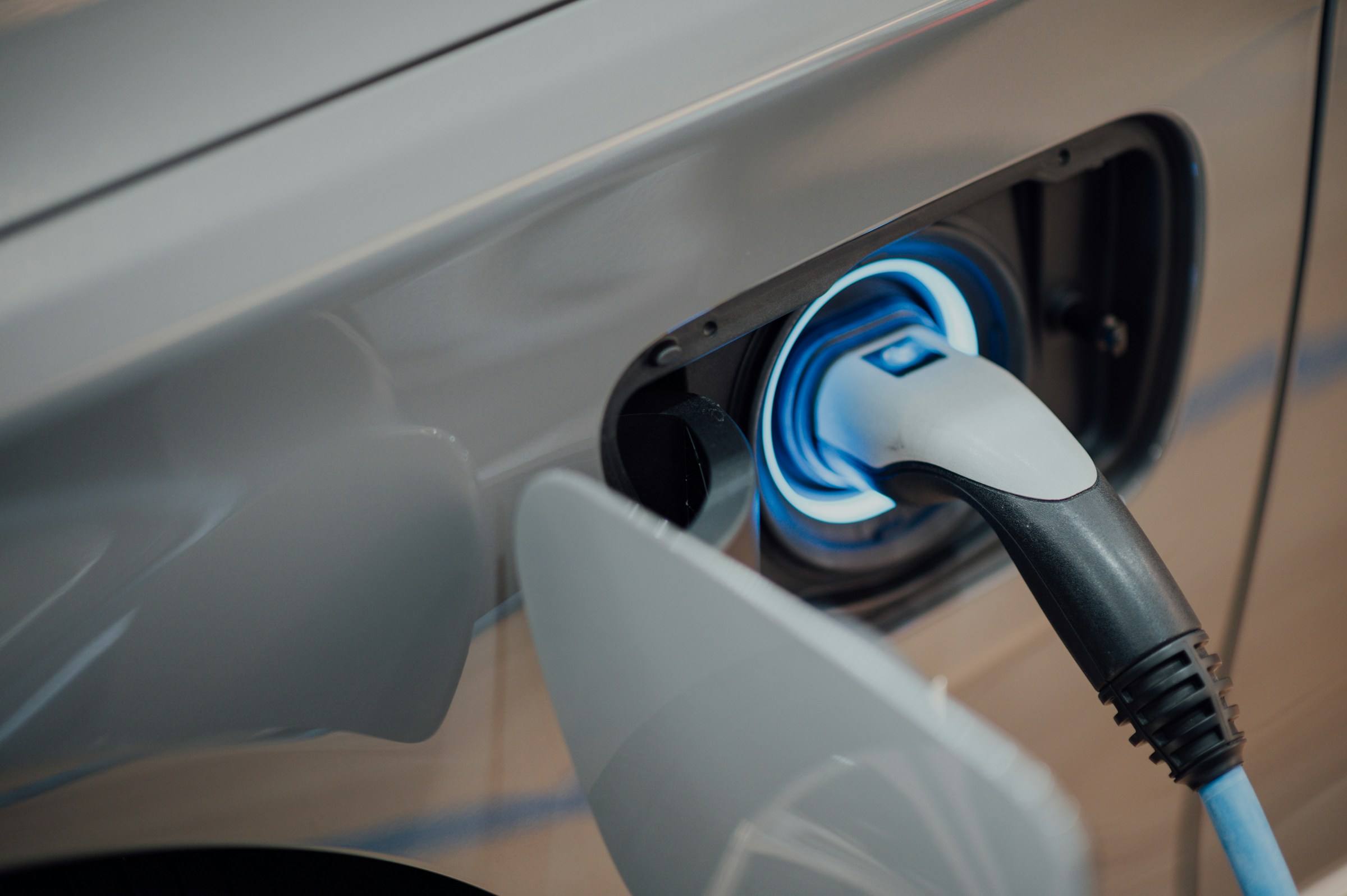
So you’ve made the switch to an electric vehicle or you’re about to. Congratulations. But once the initial excitement settles, a practical question shows up fast: How do I actually charge this thing?
EV cables and chargers sounds simple until you’re standing in a store facing a wall of cables, adapters, and charging units with cryptic labels. This guide cuts through the confusion so you can buy with confidence.
The Three Levels of EV Charging
Think of charging levels like water pressure higher levels push more energy into your battery faster.
Level 1 (Standard Household Outlet) uses a regular 120V plug. Every EV comes with a Level 1 cable out of the box. It’s slow typically adding 3 to 5 miles of range per hour but it works perfectly if you drive short distances and charge overnight. No installation required, no extra hardware. Just plug in.
Level 2 (Home or Public AC Charging) runs on a 240V circuit, the same type that powers your clothes dryer. This is where most EV owners land for home charging. It adds 15 to 30 miles of range per hour, meaning a full charge overnight is realistic for almost any vehicle. You’ll need to purchase a home charging unit (called an EVSE) and have an electrician install a dedicated 240V outlet or hardwire the unit directly.
Level 3 / DC Fast Charging (Public Only) delivers rapid charging 100 to 300+ miles of range in 20 to 45 minutes. These chargers are not for home use; they require industrial-grade power infrastructure. You’ll find them at highway rest stops, shopping centers, and dedicated charging networks. Frequent long-distance drivers rely on them.
Connector Types: Why Your Cable Matters
Not all plugs are created equal and compatibility is non-negotiable.
J1772 (Type 1) is the standard connector for Level 1 and Level 2 charging in North America. Most non-Tesla EVs use this port. If you have a Nissan Leaf, Hyundai Ioniq, Chevy Bolt, or similar vehicle, this is your home-charging connector.
CCS (Combined Charging System) adds a DC fast-charging inlet below the J1772 plug. Many modern EVs including Ford, GM, Volkswagen, and BMW models use CCS for rapid charging.
NACS (North American Charging Standard) was developed by Tesla and has rapidly become the industry standard. Most major automakers have committed to NACS, and new models are increasingly shipping with this connector. If your car uses CCS but you want Tesla Supercharger access, adapters are available.
CHAdeMO was once popular for DC fast charging in Japanese vehicles like the Nissan Leaf (older models) and Mitsubishi, but it’s being phased out across North America. Check if your vehicle still relies on it before purchasing fast-charging ev cables and chargers.
What to Look for When Buying a Home Charger
Once you know your connector type, evaluate home charging units on these four factors:
Amperage. Higher amps mean faster charging. A 32-amp unit is a solid standard choice; 48-amp units offer faster top-ups but require a larger electrical circuit.
Smart Features. Wi-Fi connectivity lets you schedule charging during off-peak electricity hours, monitor energy usage, and receive notifications. Worth it if you care about your electricity bill.
Cable Length. Opt for at least 20 to 25 feet. Parking doesn’t always cooperate, and a short cable is a daily frustration.
Certification. Look for UL or ETL listing. This isn’t optional it’s a safety baseline. Uncertified chargers carry real electrical and fire risks.
The Bottom Line
For most drivers, a Level 2 home charger handles 90% of charging needs. Start there. Understand your car’s connector type, buy a certified unit with a sensible amp rating, and leave DC fast charging for road trips.
Getting this right once means never thinking about it again and that’s the whole point of going electric.
