
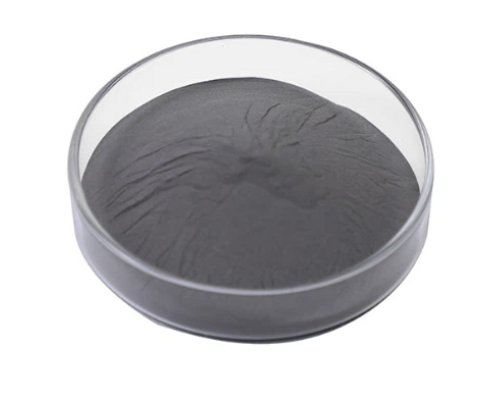
Nickel Alloy and Titanium Alloy are both reliable alloys for common industries, but they have different application areas to solve different engineering problems. These can function more effectively in extreme heat, or the other one can be more useful if lightness is important. Products should always be selected based on specific application needs, rather than the name of common products. Most engineers will consider a number of technical properties when buying a product. Typically, companies purchasing Ceramic sputtering targets go through a similar due-diligence procedure as they do with other specialty manufacturing materials.
Compare Material Strength
Both materials offer excellent mechanical properties, but have different characteristics under varying industrial conditions. Nickel alloys have a high temperature strength that remains stable at high temperatures where many common metals start degrading. Titanium alloys have a very high strength-to-weight ratio, but are considerably lighter than nickel alloys. The choice of which one to adopt depends on the real operating requirements rather than just on the maximum strength. Other factors that are typically involved with practical engineering decisions are manufacturing efficiency and the project requirements.
Examine Weight Impact
Many industrial systems are affected by weight, particularly with the movement of equipment or aerospace components. The superior strength of titanium alloys without excessive weight in the finished assembly. Nickel alloys are much heavier, but may not present problems in stationary industrial equipment. When engineers are designing a structure, they are considering how the material will be used, how it will be transported, and how it will perform during use before determining which material is used to achieve the best overall manufacturing goals.
Review Heat Performance
These two material families are usually broken apart in engineering assessments during extreme temperatures. Nickel alloys maintain good properties under conditions where steady heating is a critical condition for industrial parts. Titanium alloys are also able to withstand high temperatures, typically in different temperature ranges. When order thin film deposition materials, companies look closely at the thermal properties, since consistency in both manufacturing and processing may depend on the materials chosen for the actual thin film process, as opposed to the theoretical higher temperatures.
Assess Corrosion Resistance
Materials are constantly subjected to moisture, chemicals, salt and other corrosive conditions in industrial environments every day. Titanium alloys have a natural resistance to corrosion in many challenging applications. Also, nickel alloys offer outstanding corrosion resistance, particularly where they are intended for use in corrosive chemical processing applications. Knowing the conditions in which the product is operating prior to material selection allows for the selection of solutions that are both practical and cost-effective and do not add to the complexity of materials and parts manufacturing or maintenance issues.
Consider Manufacturing Methods
Before making a purchase decision, the performance of the material needs to be considered in relation to the requirements of fabrication. The physical properties of nickel alloys and titanium alloys make them different in terms of their characteristics for machining, welding, forming and finishing. There are some manufacturing processes that are easier with one material than another. With careful planning, the production delays can be minimized, and the efficiency of the fabrication can be increased. During the production process, practicality can become just as significant as mechanical properties in the selection of materials for industrial processes.
Match Industry Applications
Each industry is inclined to choose one material based on industry-specific considerations like operating priorities and equipment design. Lighter structures prove overall efficiency, so titanium alloys are often chosen by the aerospace manufacturing industry. Nickel alloys are commonly used for their thermal stability in applications such as power generation, chemical processing and in high-temperature equipment. When specialized engineering materials for precision manufacturing environments are selected, the application-focused thinking that has been applied to the sourcing of Ceramic sputtering targets can be repeated.
Evaluate Total Investment
The first cost of industrial materials does not include all the costs. The long-term costs in these projects include processing costs, maintenance, service life and production efficiency. Titanium alloys might be used for lower operating weight, and nickel alloys can be beneficial for extended heat exposure. Total cost of ownership (TCO) is typically the best indicator for good engineering decisions rather than the purchase price. When carefully compared, more balanced material selection is achieved in challenging industrial manufacturing projects.
Conclusion
It is not appropriate to compare just one property but to consider other properties like temperature performance, corrosion resistance, weight and fabrication methods in order to choose between nickel alloys and titanium alloys for each industrial application. Regmetals.com offers specialty engineering materials such as Ceramic sputtering targets and solutions for organizations who wish to place an order for thin film deposition materials for advanced manufacturing projects. In-depth technical information analysis helps in making practical decisions and optimizing production. The fundamentals of choosing appropriate industrial materials still remain the same: thinking about the comparison process.
